
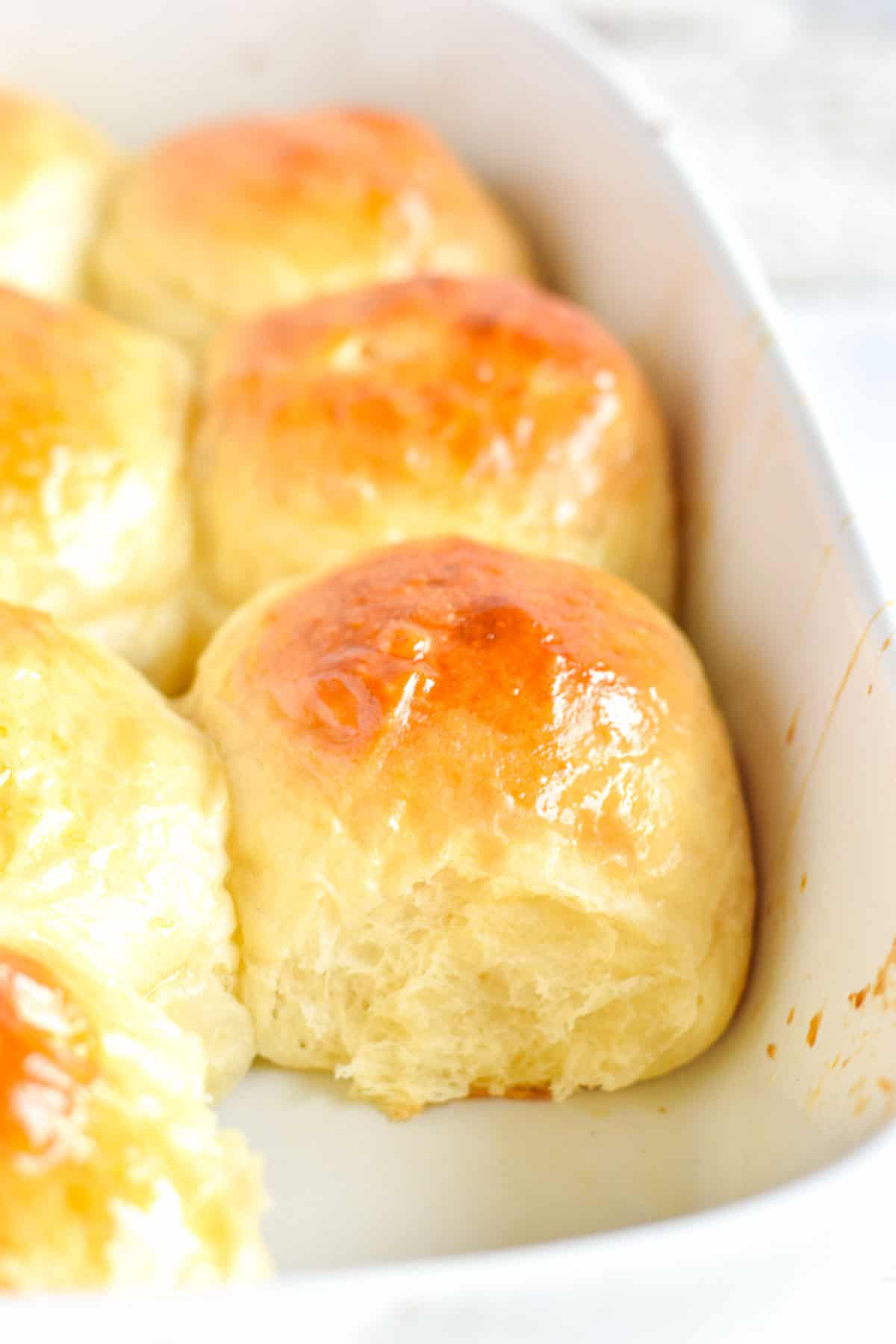
Our brioche dinner rolls are buttery, soft, with a little bit of sweetness. The golden exterior, fluffy texture, and rich flavor makes these buttery rolls the perfect addition to any meal. The high ratio of butter and eggs is what differentiates these rolls as brioche, and they are worth every bit of effort!
Jump to:
Why This Recipe Works
Brioche dinner rolls are a dinner-time staple! They're soft and buttery, made with a soft dough that is enriched with butter and eggs. The light, fluffy texture, and slightly sweet flavor makes them comforting and indulgent. These are essential at any holiday table-like, Thanksgiving and Christmas.
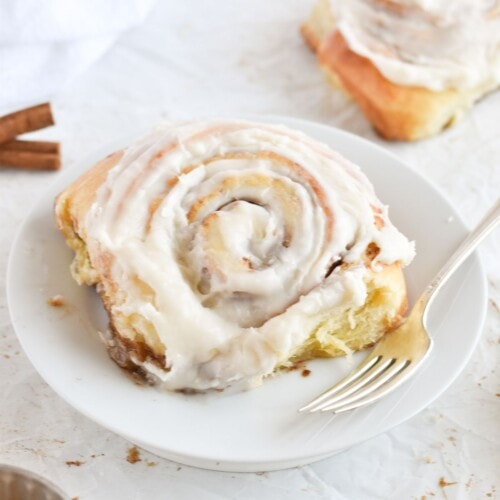
The dough is also extremely versatile and is perfect for making other pastries, like cinnamon rolls, breakfast braids, King cake, etc. Whether you're serving them fresh out of the oven or saving them for leftovers, these brioche dinner rolls always impress and satisfy.
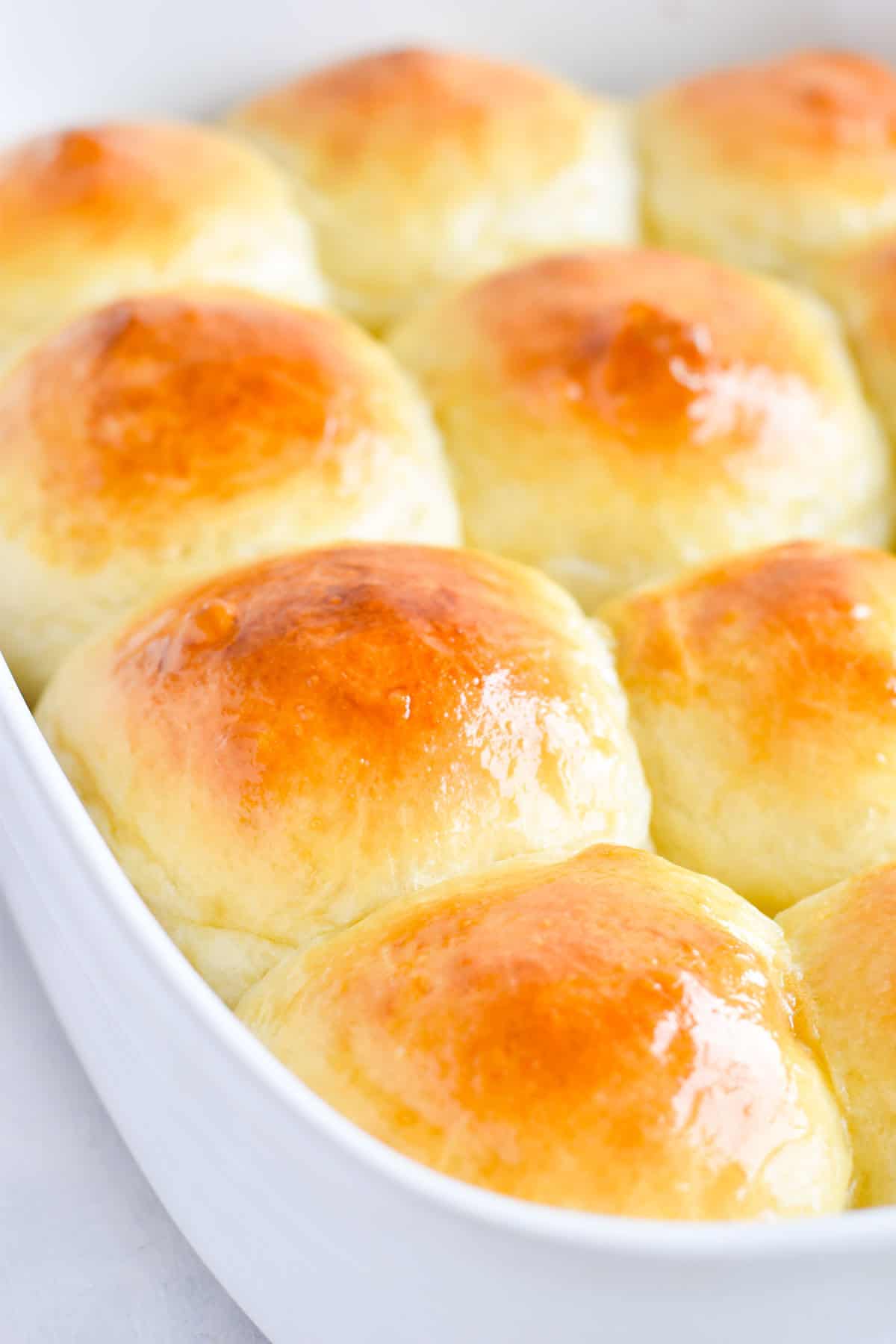
What is brioche? What is So Special about Brioche Buns?
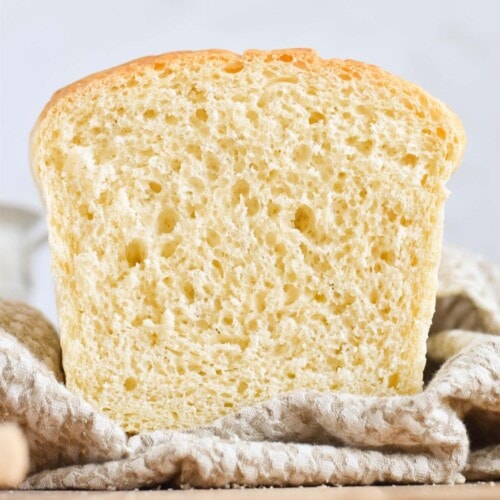
Brioche is unique, the dough is enriched with a generous amount of butter and eggs creating a decadent crumb that's soft, tender, and nearly cake-like in texture. The high amounts of fat in the dough slow down the yeast and lending to a richer, more developed flavor. Brioche dinner rolls also contains more sugar than your traditional roll, contributing to their unique texture, and sweet flavor.
Brioche is actually a French type of bread that is a cross between bread and pastry. It is known as a type if viennoserie, which is essentially a pastry that sits between patisserie and French bread. Danishes and croissants also fall into this category.
Ingredient Notes
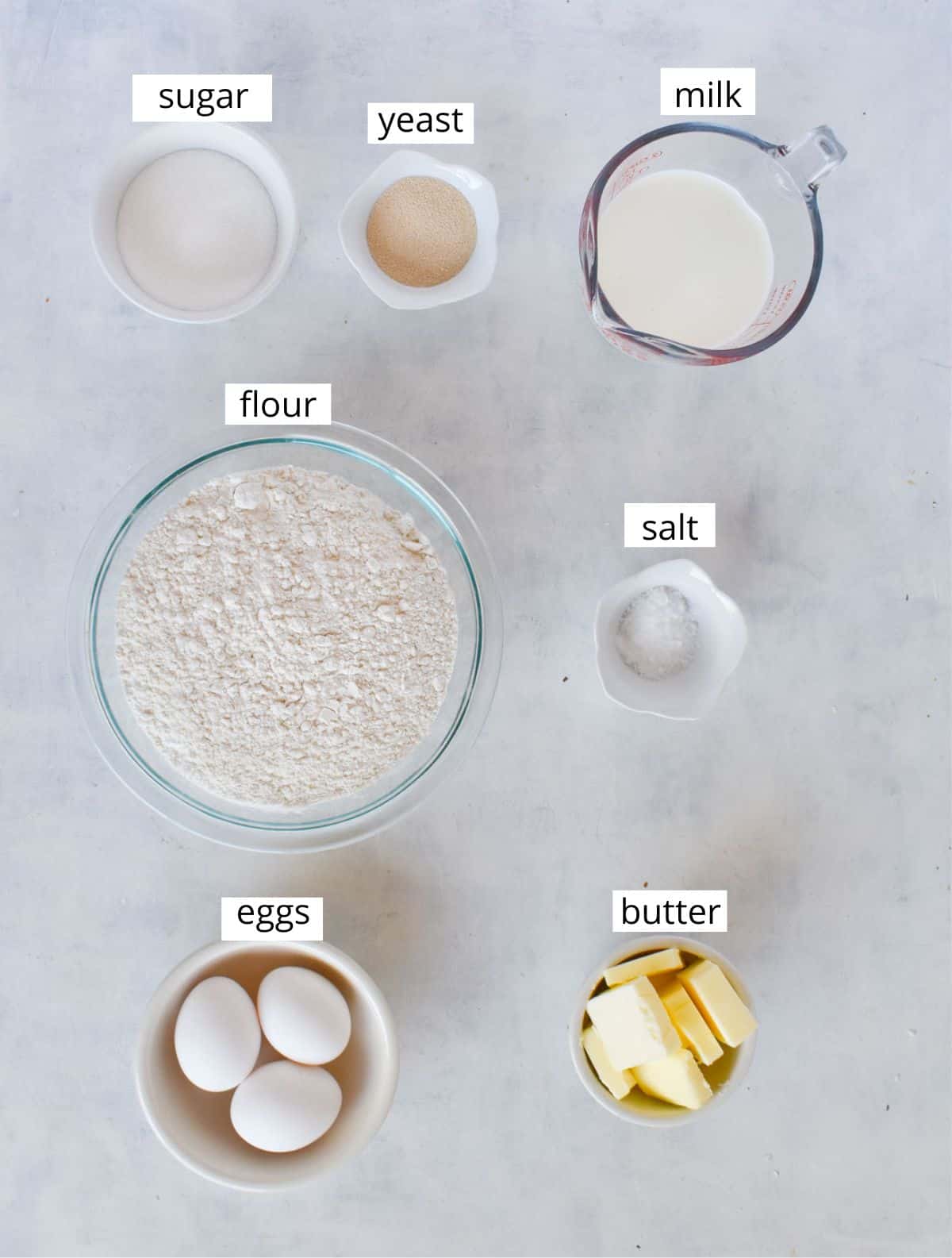
- Flour. Use all-purpose flour.
- Milk. I use whole milk, however 2% or 1% will work fine.
- Yeast. The recipe as written uses dry active yeast. However, you can use instant yeast, just know it will rise faster.
- Sugar. Sugar adds a subtle sweetness, but also makes the brioche dinner roll dough tender and flavorful.
- Butter. You can use salted or unsalted butter. Lots of butter gives these rolls their pastry-like texture.
- Eggs. Use large, room temperature eggs. Eggs contribute to the enriched dough.
- Salt. Salt adds flavor and structure to the bread.
How to Make this Recipe
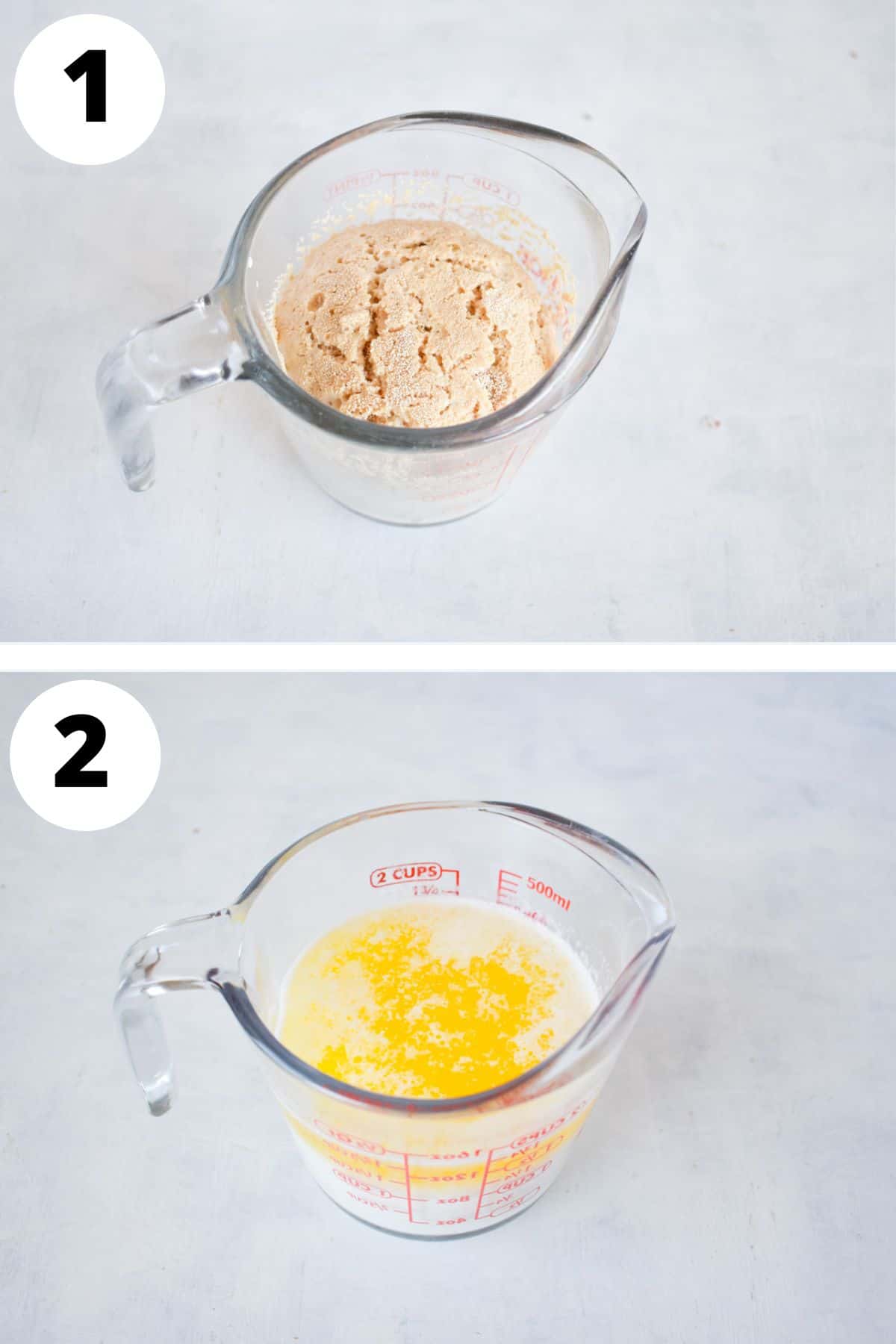
- Warm ¼ cup of milk to around 110°F (it should be warm, but not hot, to avoid killing the yeast). Stir in 1 tablespoon of sugar and the yeast. Let it sit for about 10 minutes, or until the yeast becomes bubbly and activated.
- Add the remaining milk and butter to a large measuring cup or bowl. Heat it until the butter is melted, then let the mixture cool. Make sure it's no longer hot before adding it to the dough.
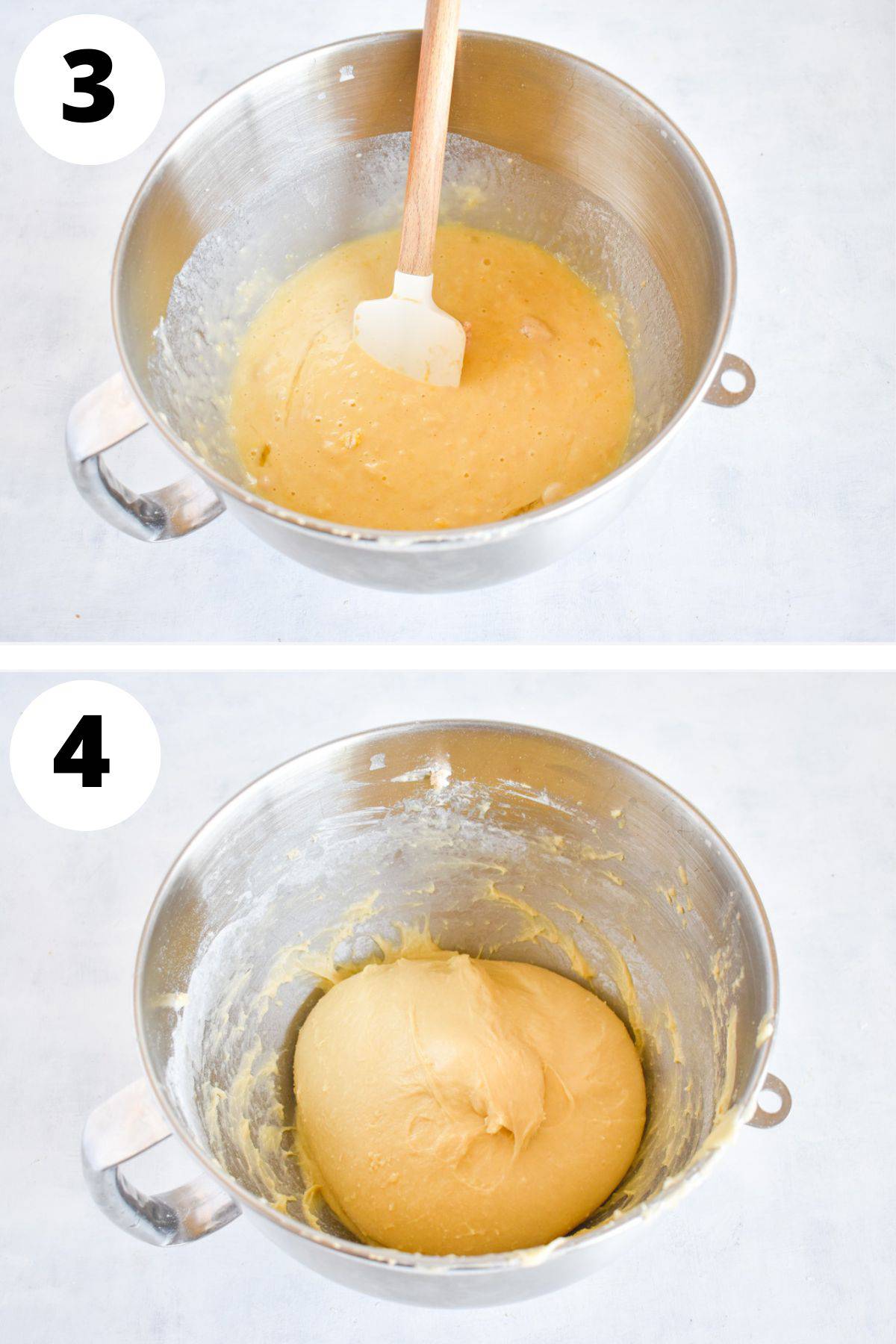
- In a stand mixer, combine the yeast mixture with the eggs, sugar, cooled milk-butter mixture, salt, and about half of the flour. Mix until wet batter forms.
- Add the remaining flour and knead on high speed for 10-15 minutes, until the dough becomes smooth and elastic. Test the dough with the windowpane method (see section below), and if it doesn't pass, keep kneading until it does.
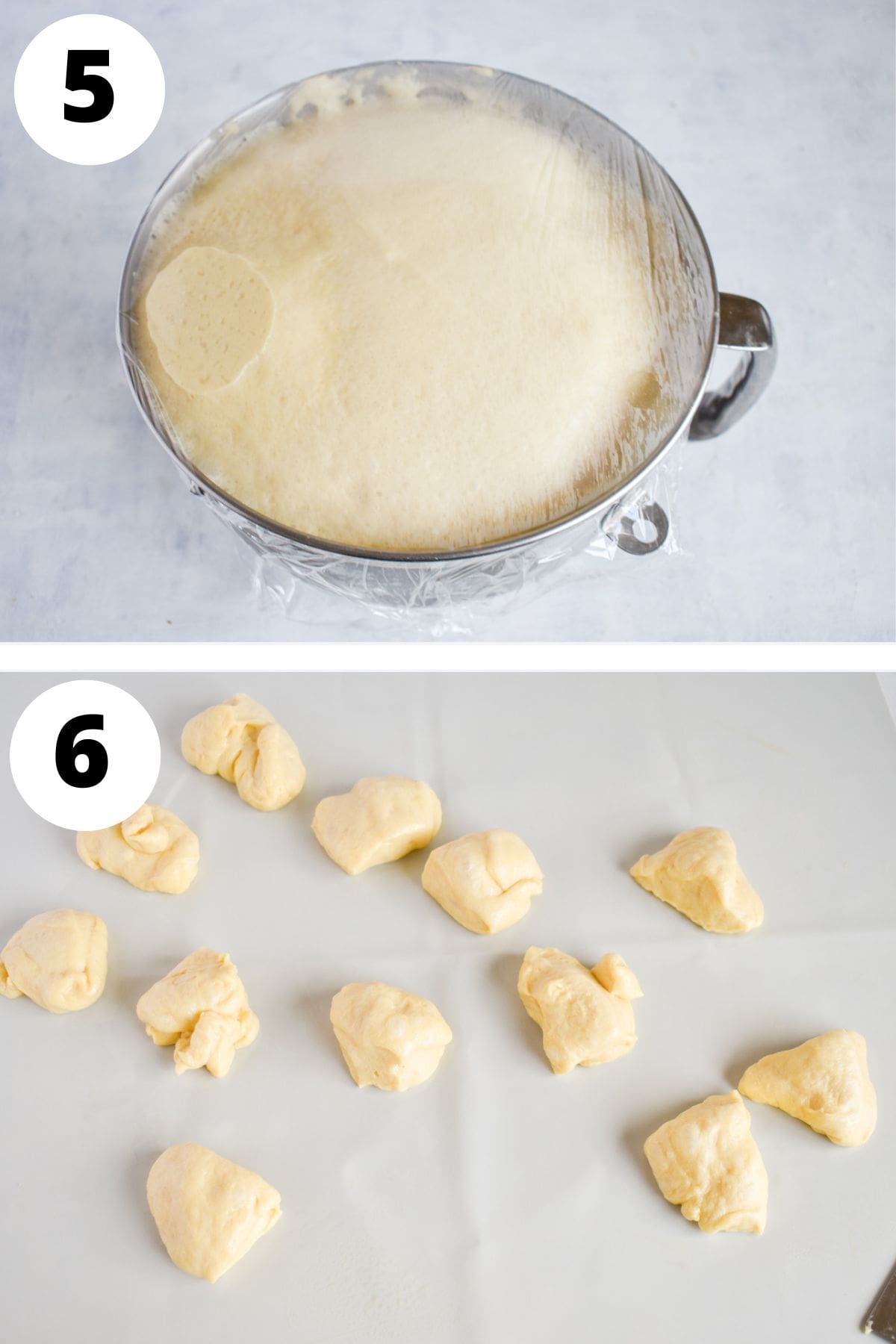
- Transfer the dough to a greased bowl, cover it with a cloth or plastic wrap, and let it rise in a warm place for 1-2 hours until it doubles in size. If you prefer, you can refrigerate it at this point for an overnight rise (see our section on How to Make Overnight Brioche Rolls below).
- Once the dough has doubled, turn it out onto a clean surface and divide it into two equal parts. Each portion will make 12 rolls (24 total). Take one half and split it into thirds, then divide each third into quarters, aiming for equal-sized pieces.
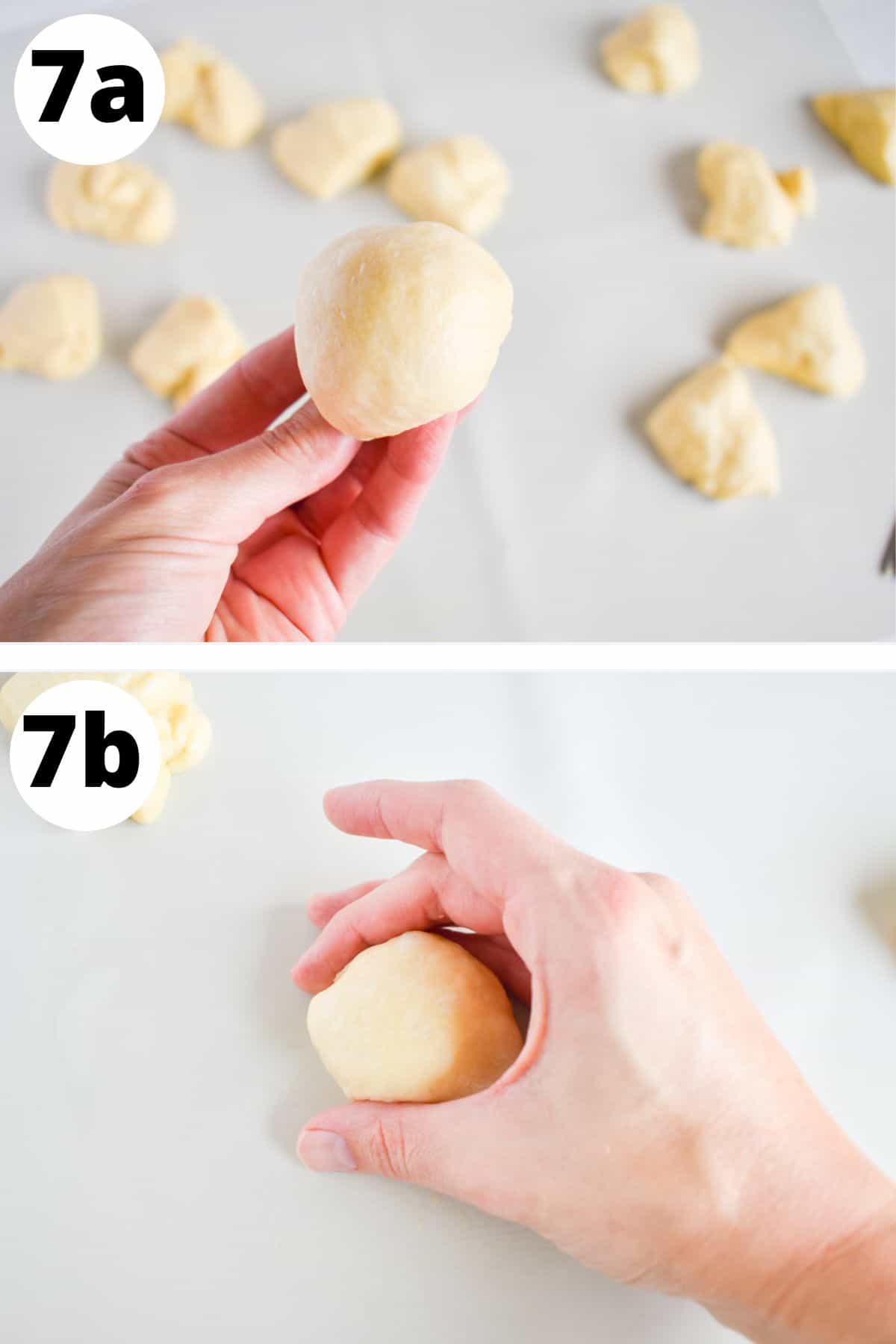
- Shape each piece into a ball by pinching the dough into the right shape, then cupping it with your hand to roll it in a circular motion on your work surface until it tightens up.
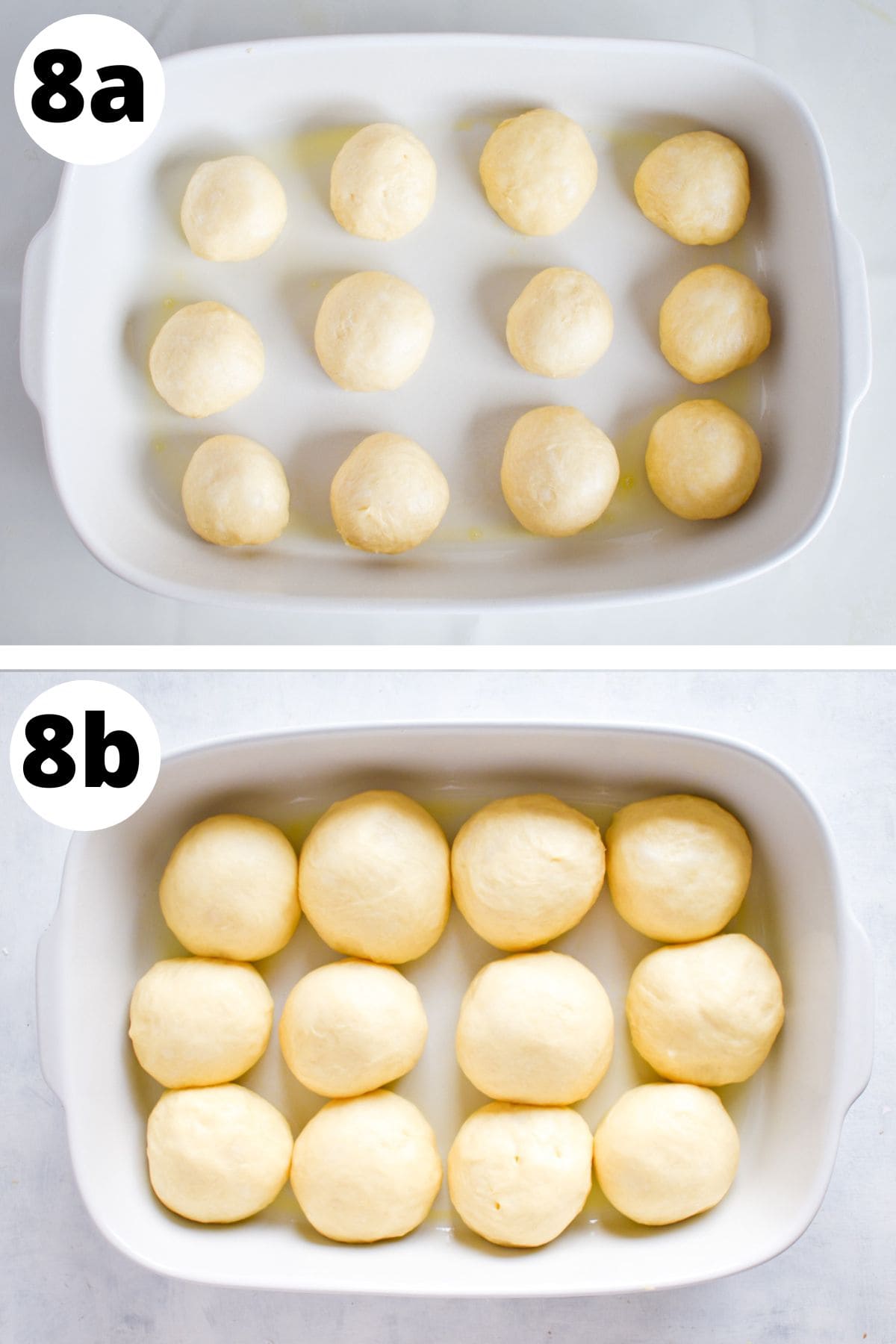
- Grease two 9x13-inch pans (or one 18x13-inch sheet pan). Arrange the dough balls in the pans, cover loosely, and let them rise for another 45-60 minutes.
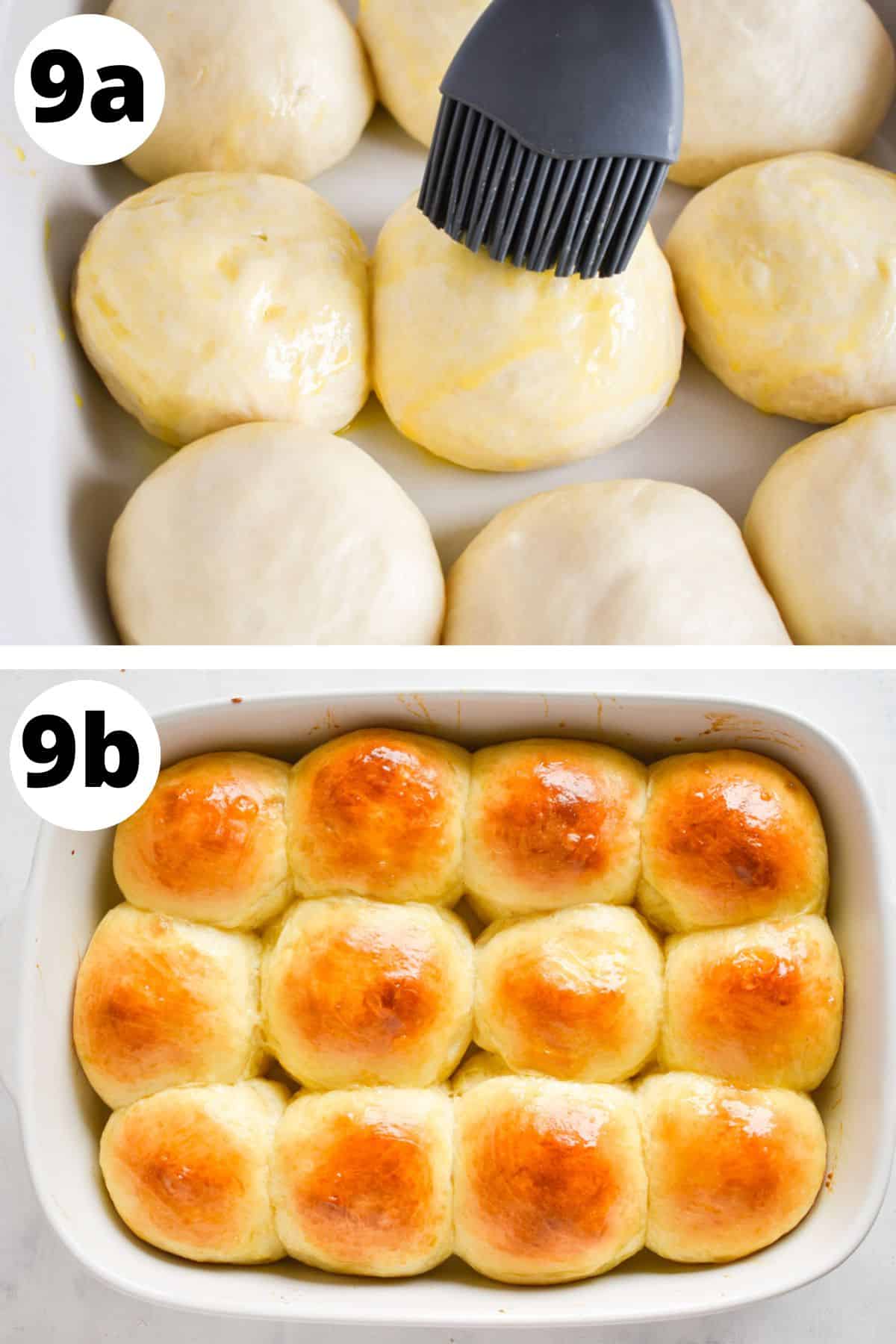
- Beat an egg and brush it over the tops of the rolls. Bake at 350°F for 18-20 minutes, being careful not to over bake. Optional: brush with melted butter after the rolls come out of the oven.
The Window Pane Test
The windowpane test is a method to check if your dough has kneaded long enough for gluten to sufficiently be developed.
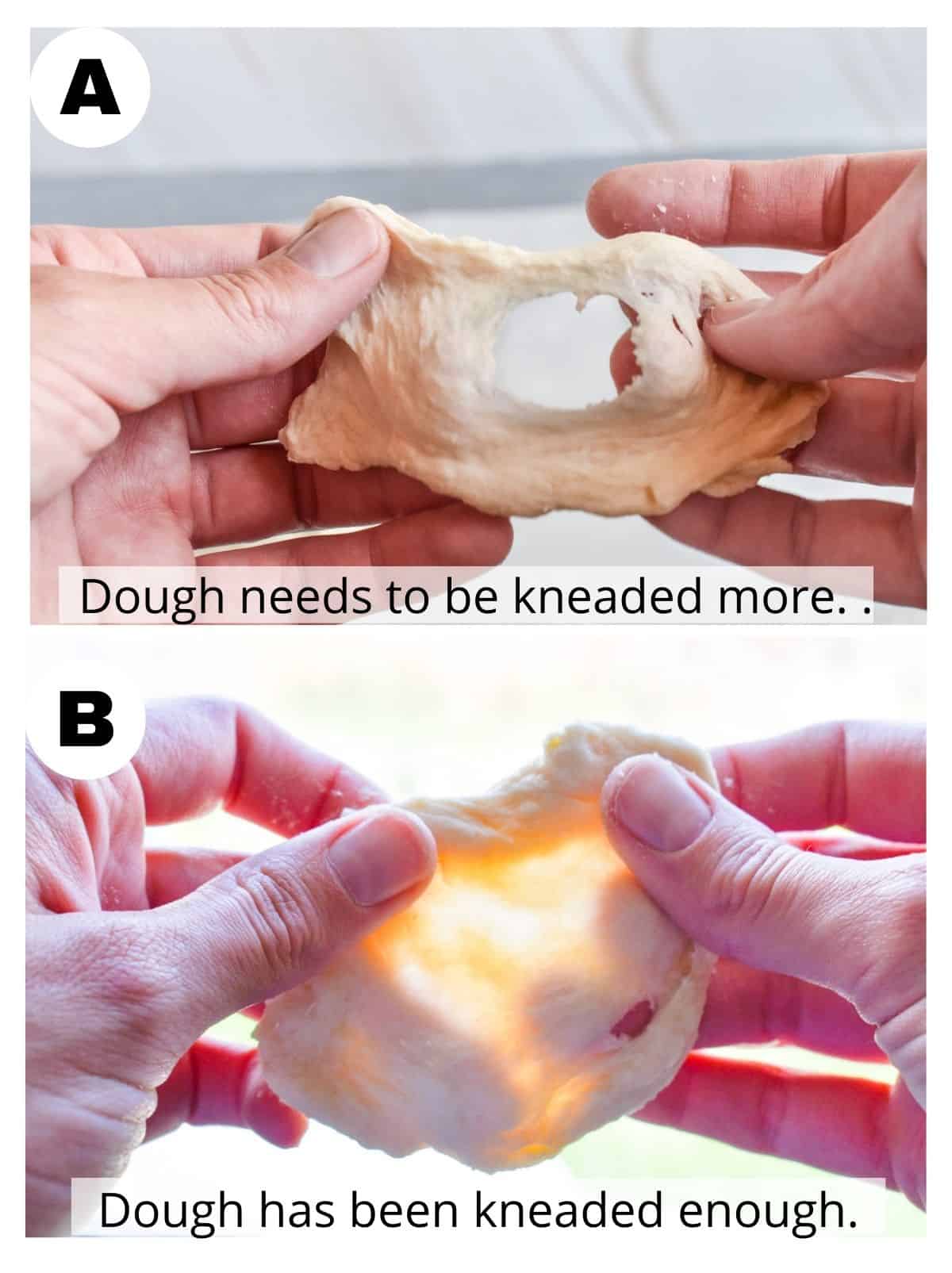
Why is it Important: When dough is kneaded, gluten is formed. Gluten creates the proper support structure for bread as it rises. As gas from the yeast helps the dough rise, the gluten allows the bread to maintain the bread's structure without falling when baked. Without proper gluten development, the bread will not rise as much, and your bread will end up dense and tough.
How to Test: Start by pinching off a small piece of dough and gently stretch it. If the dough breaks easily, the dough has not been worked enough and needs to kneaded longer. If the dough stretches thin enough for light to penetrate it, then it has been kneaded enough.
How to Make these into Overnight Brioche Rolls
You can turn these brioche dinner rolls into overnight rolls (also called refrigerator rolls). This speeds up the roll-making process the next day.
Once the dough has been formed, place the dough in a large bowl and cover it with plastic wrap. Place the whole thing in the refrigerator to rise overnight (12-18 hours). When you're ready to make the rolls, bring the dough out of the refrigerator, it should have doubled, and let it come to room temperature (about 20 minutes). If your kitchen is cold, it make take longer to come to room temperature.
Continue following the instructions for dividing and shaping the dough into rolls, letting it rise a second time, before baking.
Frequently Asked Questions (FAQs)
Brioche rolls are distinct from other rolls because of the high quantities of butter and eggs, which give it an incredibly soft, pastry-like texture that is rich and buttery. Regular rolls, if they contain eggs and butter at all, will have significantly less than brioche, and are typically composed of bread basics-flour, water, yeast.
Serve with butter, jam, honey, honey butter, Nutella, soup, enjoy them by themselves, or turn them into sandwiches.
No, you do not need a stand mixer to make these rolls. However, you can expect the dough to take about twice as long to knead by hand as it does with the stand mixer. Do not try and do this with a hand mixer.
A couple tips for those who want to knead this brioche dough by hand-the dough is soft and sticky, do not give into the temptation to add flour to the dough.
Dampen your hands before touching the dough, it will help with the stickiness. You can also use a bench scraper to help you work with the dough. The slap and fold kneading method is a good one to use when working with sticky dough.
Yes! The recipe as written uses dry active yeast, however, just know the dough will rise faster than if you use dry active yeast.
Expert Tips
- Using glass, metal, or stoneware pan. The pan material and color can make a huge difference. Stoneware, glass, and metal pans all retain heat differently and can drastically speed up or slow down the baking process. So It's always best to keep an eye on your brioche dinner rolls, they can go from golden to burned quickly. King Arthur Baking recommends that if you are using a glass pan to drop the temperature of your oven by 25 degrees, be aware this may lengthen the bake time. I also recommend dropping the temperature if using a dark metal pan. I personally find I get the best results in a light-colored aluminum pan.
- Dough is sticky and difficult to work with. Brioche dough is known to be sticky, this can make it a little tricky to work with. It is might be tempting to add flour to the mixture, but don't do it! If the dough is sticking to your hands you can dampen them or put a little oil or cooking spray on your hands. If the dough is still difficult to work with, you can cover the dough and chill it for 20 minutes before handling it again.
- Beware of oven hot spots. Every oven is a little different and has it's own quirks. In my oven, the sides of the oven get quite hot. So, I have to be wary of baking two pans of rolls at a time, or the sides of the rolls get too dark.
How to Store this Recipe
Room Temperature: Our brioche dinner rolls are best eaten within 2-3 days. They should be stored at room temperature, in an airtight container.
Freezer: These rolls, once baked, can also be frozen. Once the rolls are completely cool, place in an airtight container in the freezer. Then can be frozen for up to 3 months. Thaw at room temperature before eating or reheating.
Reheating: Nothing beats a warm dinner roll, am I right? If warming up a single roll, I usually pop it in the microwave for 8-10 seconds. However, you can heat up several of them in the oven for that fresh baked feel.
Place them on an oven safe baking sheet and heat at 325 degrees Fahrenheit for 8-10 minutes. If the rolls are dry before reheating, try placing a pan of water in the oven while the oven is preheating and rolls are warming, it will create a little steam to rehydrate them.

P.S. If you tried this recipe or any other In Fine Taste recipe take a second and rate it below! We love hearing what you think. Let's stay in touch! Sign up for our newsletter or follow us on Facebook, Instagram, TikTok, Youtube or Pinterest for more recipe ideas.

Brioche Dinner Rolls
Ingredients
- 2 Tablespoons dry active yeast (19 grams)
- 1 ¼ cup milk warm
- 11 tablespoons butter salted or unsalted (155 grams)
- ½ cup + 1 tablespoon granulated sugar (115 grams)
- 3 large eggs
- 2 teaspoons salt (13 grams)
- 4 ¾ cups all-purpose flour (594 grams)
- 1 egg beaten (for egg wash)
Instructions
- Heat ¼ cup milk until warm (about 110 degrees-too hot and it will kill the yeast). Add 1 tablespoon sugar and yeast to milk and let sit for 10 minutes until the yeast has bubbled up and activated.
- Melt the butter into the milk--Add remaining milk and butter together into a large glass measuring cup or bowl and heat until butter is melted. Let cool-the mixture should not be hot when you add it to the dough.
- In a large stand mixer, add the yeast mixture, about the half the flour, eggs, sugar, cooled butter and milk, and salt. Stir together until a wet batter forms.
- Add the remaining flour and knead on high for 10-15 minutes. If kneading on a medium speed this may take closer to 20 minute. The dough should be smooth and elastic. Use the window pane test to check and see if the dough has been kneaded long enough (see notes). It is does not pass the test, continue kneading until the dough passes.
- Place dough into a lightly greased bowl, cover with a towel, or plastic wrap. Place in a warm place until it doubles in size (about 1-2 hours). You can also place in the refrigerator at this point to make the next day (see notes about overnight dinner rolls).
- Once dough has doubled in size, tip the dough onto a clean surface and divide in half. Each half of the dough will make 1 dozen rolls (2 dozen total). Take one half of the dough hand divide into thirds, further divide each third into quarters. Try to keep each piece about equal in size.
- Take each small piece of dough and pinch and shape it into a ball. Place the dough ball on a clean work surface, make a "c" shape with your hand, and cupping the dough ball, round it on the work surface for a few seconds until it tightens.
- Lightly grease two 9x13-inch pans or one half sheet pan (18x13 inches). Place the rolls on the pan (or pans). Cover loosely and let rise a second time for 45-60 minutes. If your kitchen is cold, it may need a little longer to rise.
- Gently beat one egg and brush the tops of the rolls with egg wash. Bake at 350 degrees Fahrenheit for about 18-20 minutes. Don't over bake. Optional: Brush baked rolls with butter while still warm.


Marilyn Miner says
These rolls are so light and have a delicious flavor. Yum!
Melissa says
These look delicious! Is the yeast fast acting or regular? And for the flour—should I use all purpose or bread flour?
Thank you!
In Fine Taste says
Hi Melissa! We use regular yeast and all-purpose flour! Let us know if you try them out!
- Dianna